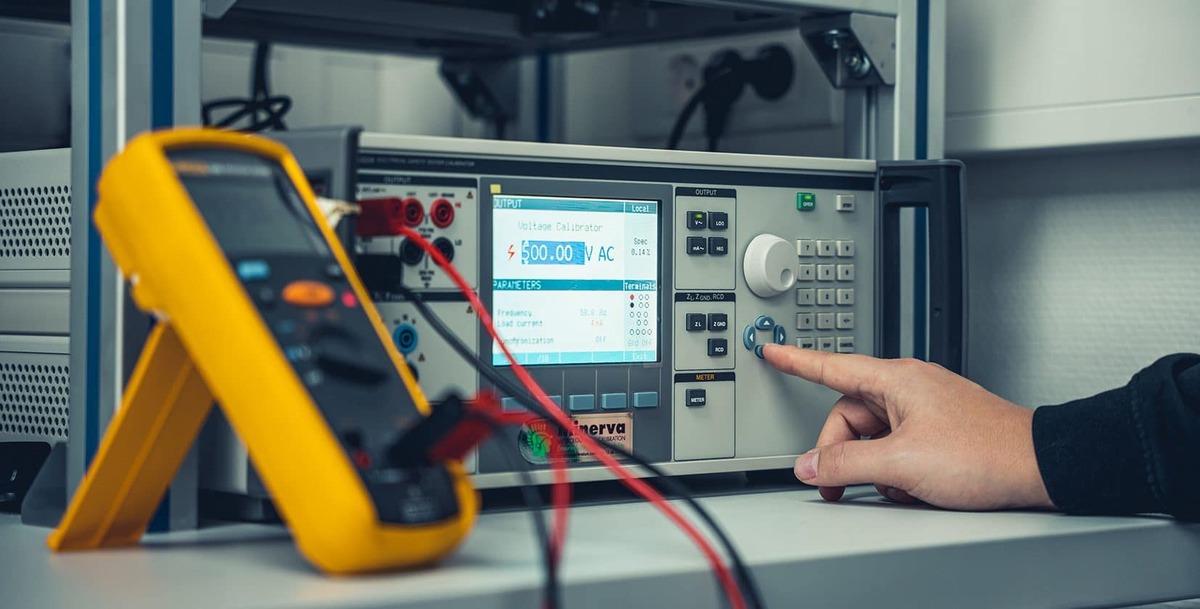
Calibration services are essential for maintaining the accuracy, precision, and reliability of measuring instruments and equipment used across various industries. Over time, all instruments tend to drift from their original accuracy due to wear, environmental conditions, or continuous use. Calibration is the process of comparing an instrument’s measurements against a known standard and adjusting it to ensure it performs within specified limits.
At its core, calibration ensures that your equipment delivers consistent and trustworthy results, which is critical for quality control, safety, and operational efficiency.
Why Calibration is Necessary?
Calibration is not just a technical requirement—it is a business necessity. Without proper calibration:
Industries such as manufacturing, pharmaceuticals, food processing, engineering, and laboratories rely heavily on precise measurements. Even a small deviation can lead to significant consequences, making calibration an essential routine process.
Calibration ensures that instruments provide correct readings, minimizing errors and improving overall performance.
Accurate measurements lead to consistent product quality, helping maintain customer trust and satisfaction.
Calibration helps organizations comply with international standards such as ISO, PNAC, and industry regulations, which are often mandatory for certification and audits.
Inaccurate instruments can lead to unsafe conditions. Calibration ensures safe operation of equipment, especially in critical industries.
By detecting errors early, calibration helps reduce:
Regular calibration and maintenance prevent excessive wear and tear, increasing the lifespan of instruments.
Accurate data enables better analysis, planning, and operational decisions.
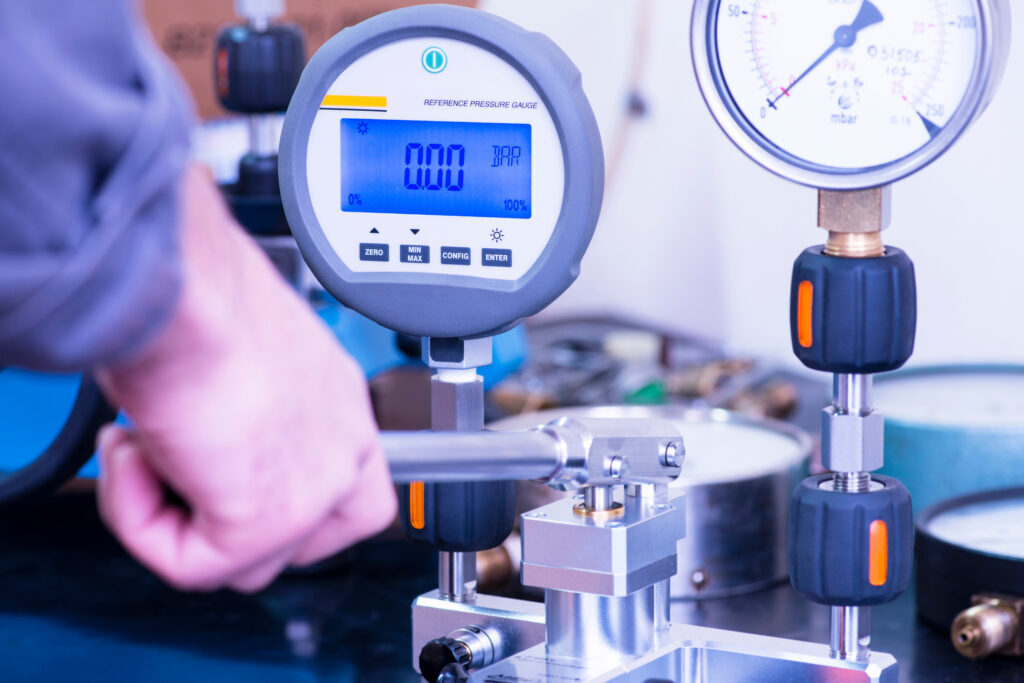
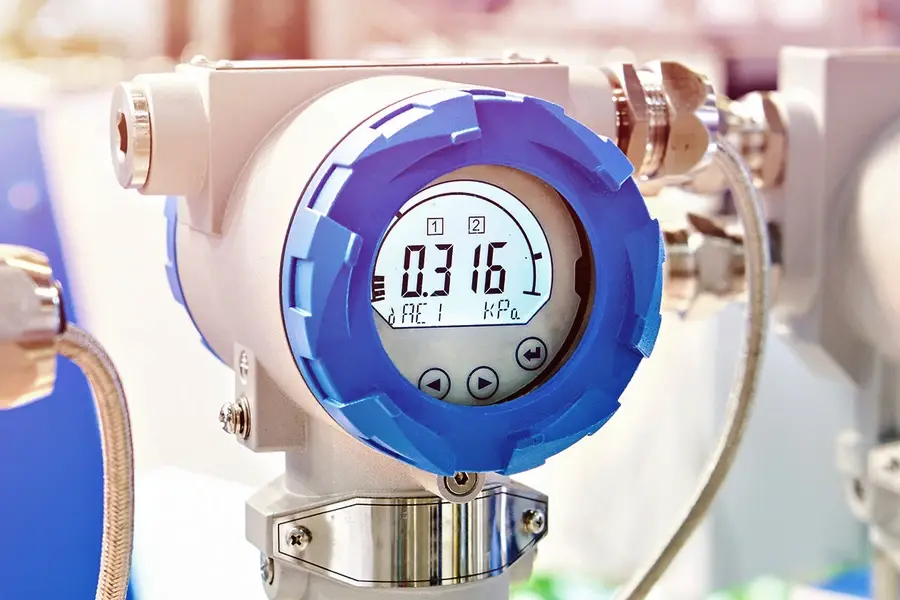
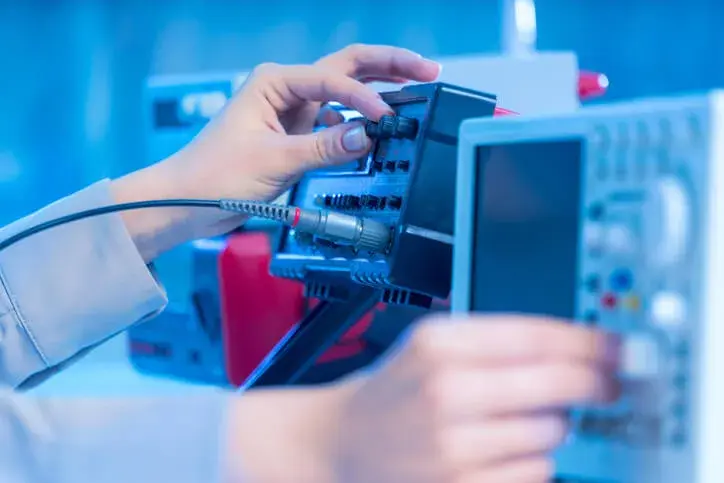
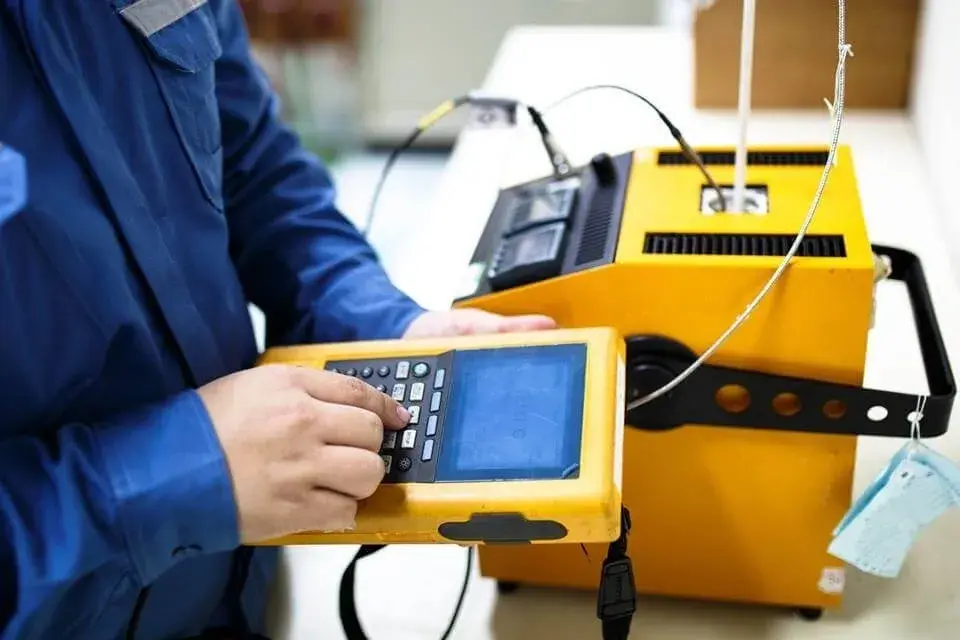
Calibration services can be categorized based on the type of instrument or measurement parameter:
We provide expert inspection services for critical industrial equipment, ensuring maximum safety, operational reliability, and full regulatory compliance. Our specialized solutions are designed to identify risks, enhance performance, and extend the life of your valuable assets.
Our Core Inspection Services
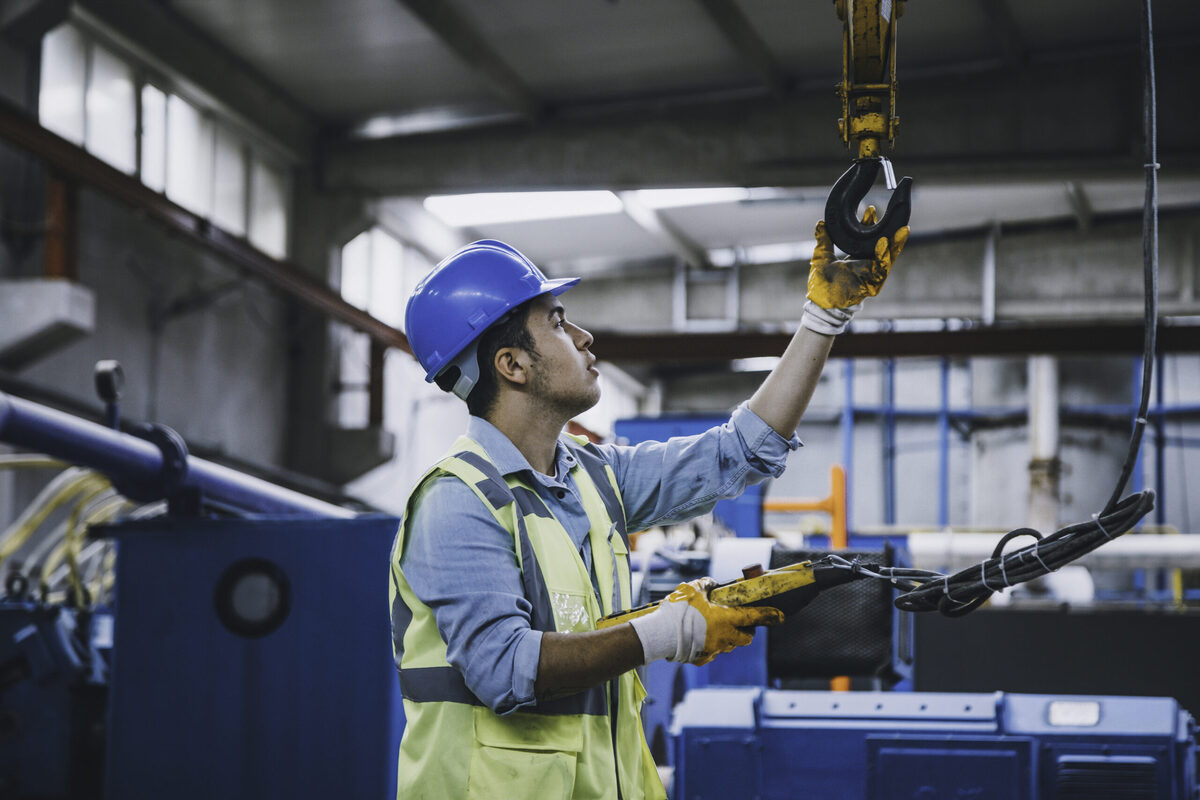
1. Lifting Equipment Inspection
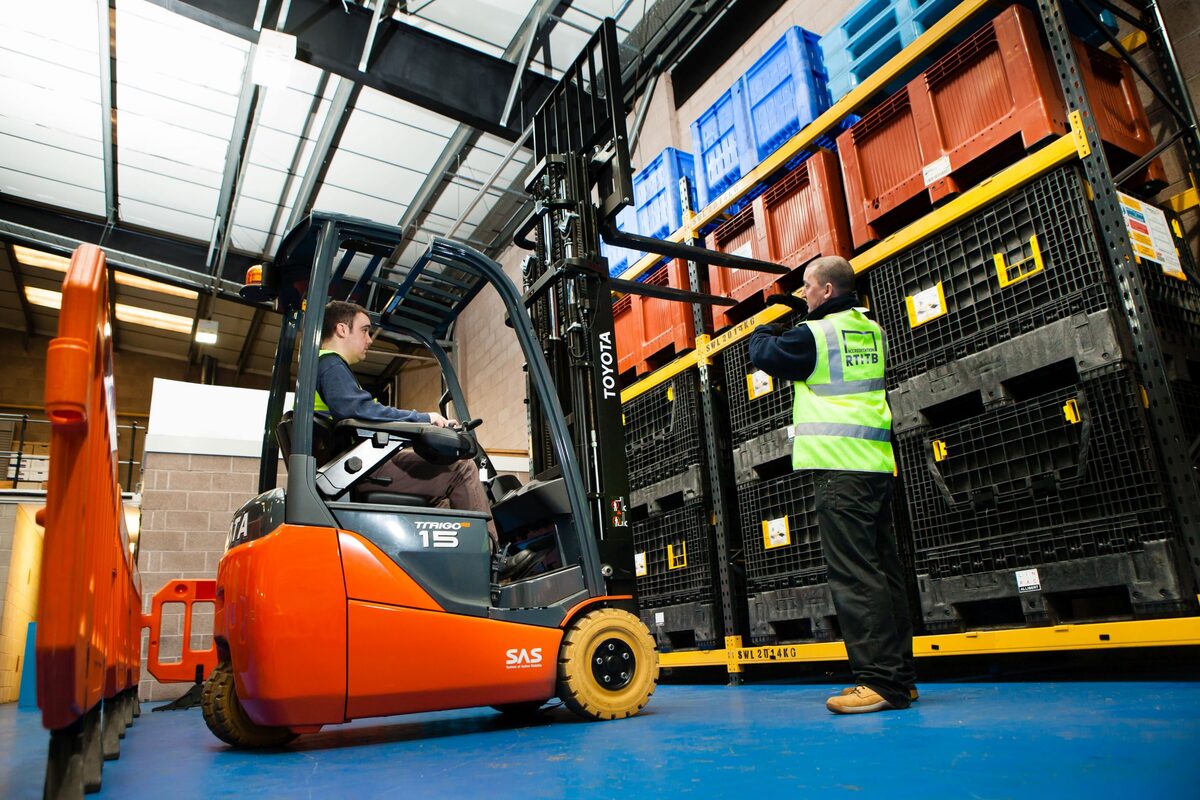
We carry out comprehensive inspections of all types of lifting equipment to ensure safe operation and compliance with international safety standards.
Equipment Covered:
Scope of Inspection:
Why It Matters:
Lifting equipment failures can lead to severe accidents and financial losses. Regular inspection ensures safe lifting operations and prevents unexpected breakdowns.
Air receivers and compressed air storage tanks operate under pressure, making their inspection critical for workplace safety.
Scope of Inspection:
Why It Matters:
Undetected faults in air tanks can lead to dangerous pressure failures. Routine inspection ensures safe operation and compliance with pressure vessel regulations.
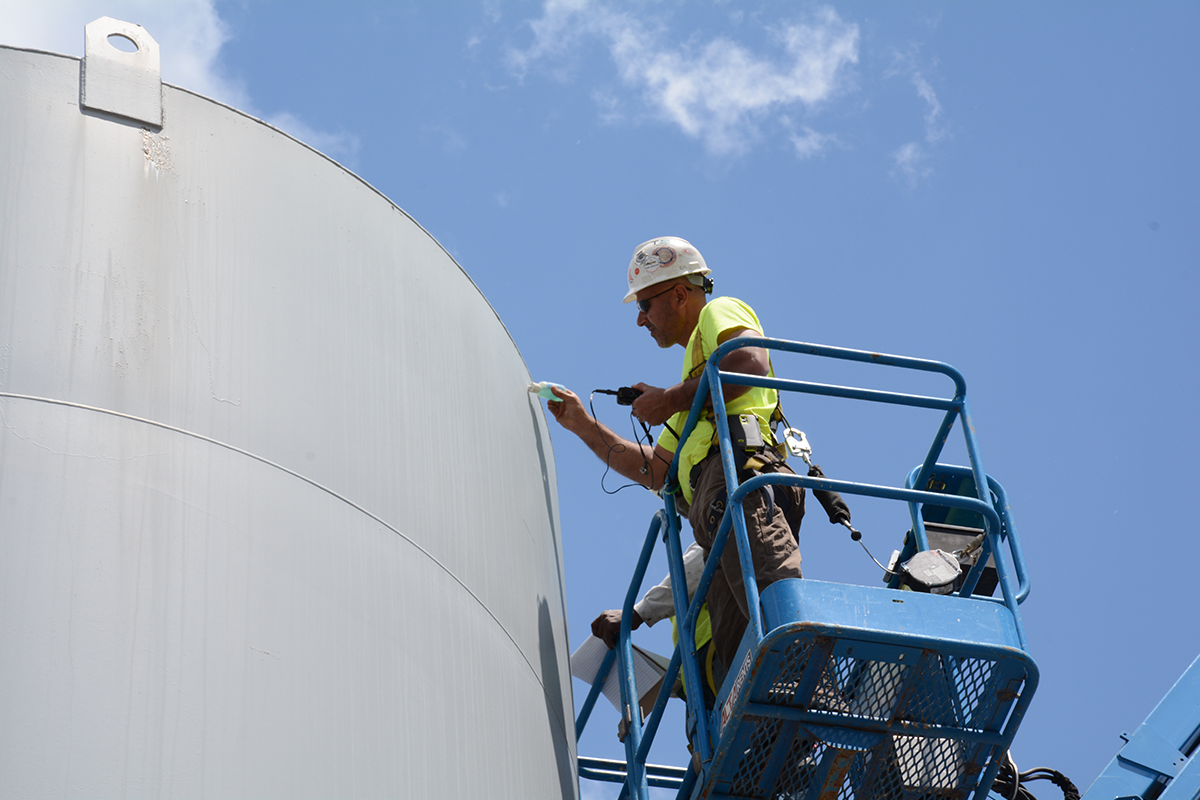
We inspect above-ground storage tanks used for fuel, chemicals, and other industrial liquids to ensure structural integrity and safe storage.
Scope of Inspection:
Benefits:
Underground storage tanks require specialized inspection techniques due to limited accessibility and environmental risks.
Scope of Inspection:
Why It Matters:
Leaks in underground tanks can cause serious environmental damage and regulatory penalties. Regular inspections help detect issues early and ensure compliance.